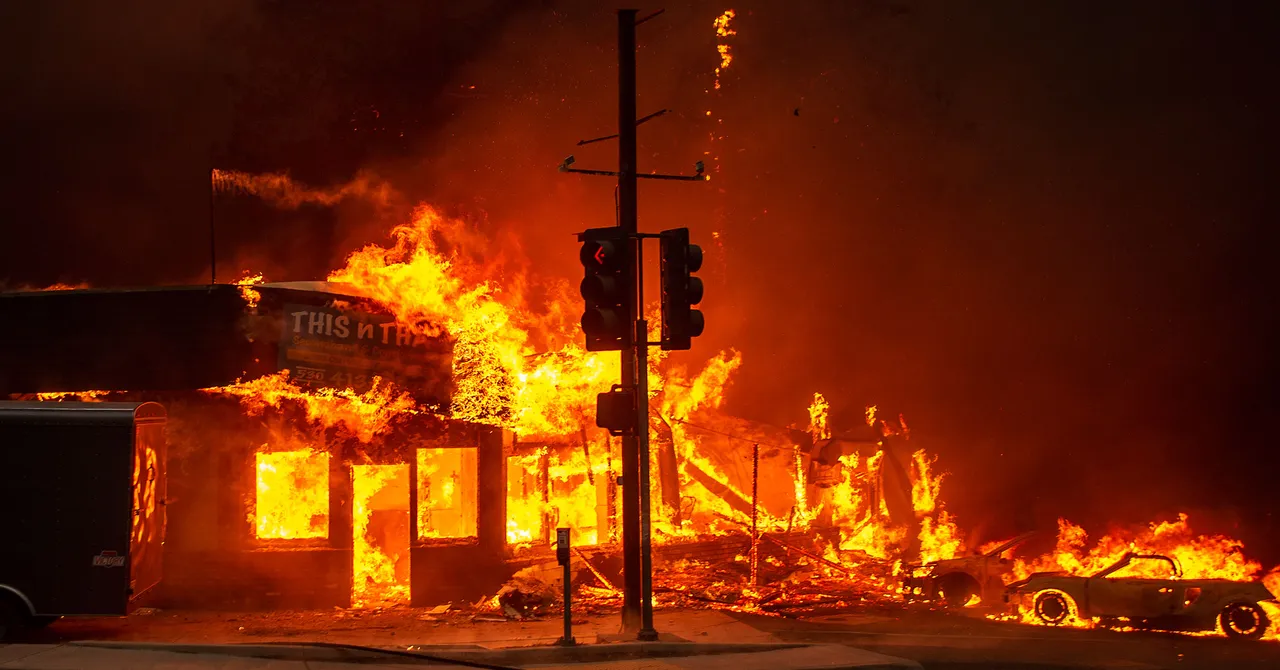
Kaiser Canyon Fire: Latest Updates, Evacuation Concerns, Fire Response and What Residents Need to Know
Kaiser Canyon Fire updates, evacuation information, emergency response efforts, fire conditions, safety guidance, and everything residents need to know about the wildfire situation.
Kaiser Canyon Fire: Officials Monitor Wildfire Conditions as Fire Crews Battle Flames and Protect Nearby Communities
The Kaiser Canyon Fire has drawn attention as firefighters respond to changing wildfire conditions, working to contain the blaze and protect nearby areas from potential threats. As crews continue operations, residents and visitors are urged to stay informed, follow official safety instructions, and remain prepared for possible changes in fire conditions.
Wildfires can spread quickly due to dry vegetation, strong winds, rising temperatures, and difficult terrain. Fire agencies typically use a combination of ground crews, aircraft support, water resources, and containment strategies to slow the spread and prevent additional damage.
Kaiser Canyon Fire Latest Updates
Authorities are closely monitoring the Kaiser Canyon Fire as firefighting teams work to assess the fire’s behavior and establish containment lines. Crews are focusing on controlling active flames, reducing wildfire intensity, and preventing the fire from moving into populated or environmentally sensitive areas.
Updates on the fire situation may include:
- Current fire size and containment progress
- Areas affected by smoke or fire activity
- Evacuation warnings or orders
- Road closures and access restrictions
- Firefighter deployment and response operations
- Weather conditions affecting fire behavior
Residents in nearby communities should continue checking official emergency sources for the most accurate and timely information.
Firefighters Work to Contain Kaiser Canyon Blaze
Fire crews responding to the Kaiser Canyon Fire face several challenges that often make wildfire suppression difficult. Steep terrain, dry fuels, unpredictable winds, and extreme heat can create dangerous conditions for firefighters working on the front lines.
Fire response teams may use:
- Hand crews building fire lines
- Engines protecting structures
- Water-dropping aircraft and helicopters
- Bulldozers creating containment barriers
- Air monitoring to track fire movement
The priority for emergency crews remains protecting lives, limiting property damage, and improving containment.
Smoke Impacts and Air Quality Concerns
Wildfires can create widespread smoke impacts, affecting communities far beyond the immediate fire area. Smoke from the Kaiser Canyon Fire may reduce visibility and contribute to unhealthy air conditions, especially for sensitive groups.
Health officials often recommend that residents:
- Limit outdoor activity when smoke levels are high
- Keep windows and doors closed when possible
- Use air filtration systems if available
- Monitor local air quality reports
- Avoid exposure for children, older adults, and people with respiratory concerns
Drivers should also use extra caution in areas affected by heavy smoke.
Evacuation Information and Safety Preparations
While evacuation information can change rapidly during wildfire events, residents near the Kaiser Canyon area should remain prepared in case conditions worsen.
Emergency preparedness steps include:
- Creating an evacuation plan
- Keeping important documents accessible
- Preparing emergency supplies
- Maintaining a charged phone and backup batteries
- Knowing multiple routes out of the area
- Signing up for local emergency alerts
Officials stress that residents should not wait until the last moment to evacuate if an order is issued.
Why Wildfires Spread Quickly in Canyon Areas
Canyon regions can present unique challenges for wildfire response. Narrow landscapes can channel winds, while dry vegetation can provide fuel that allows flames to move rapidly.
Factors that can influence wildfire growth include:
- High temperatures
- Low humidity
- Strong winds
- Dry grass, brush, and trees
- Difficult firefighting terrain
Firefighters continuously evaluate these conditions to adjust suppression strategies.
Community Response During Kaiser Canyon Fire
During wildfire emergencies, community cooperation plays an important role. Residents can support emergency efforts by avoiding restricted areas, allowing first responders access, and sharing verified information from official agencies.
People are also reminded to avoid spreading unconfirmed reports online, as inaccurate information can create confusion during emergency operations.
What Happens Next in the Kaiser Canyon Fire Response?
Fire officials will continue monitoring the blaze, evaluating containment progress, and adjusting strategies based on weather and fire behavior. Additional updates may be released as crews gather more information from the field.
Residents should remain alert and continue following guidance from emergency management officials until the situation is fully resolved.
Frequently Asked Questions (FAQ)
What is the Kaiser Canyon Fire?
The Kaiser Canyon Fire is a wildfire incident being monitored by fire authorities, with crews responding to control flames, protect communities, and prevent further spread.
Where is the Kaiser Canyon Fire located?
The fire is located in the Kaiser Canyon area. Residents should refer to local fire agencies and emergency officials for the latest location details and affected areas.
Is the Kaiser Canyon Fire contained?
Containment information can change as crews continue firefighting operations. Officials provide updates as conditions develop.
Are evacuations in place for the Kaiser Canyon Fire?
Evacuation orders or warnings depend on current fire conditions. Residents should check official emergency alerts for the latest information.
What causes wildfires like the Kaiser Canyon Fire?
Wildfires can be caused by natural events such as lightning or human activity, and they often spread due to dry vegetation, heat, and wind conditions.
How can residents stay safe during the Kaiser Canyon Fire?
Residents should monitor official updates, prepare emergency supplies, avoid fire areas, follow evacuation instructions, and protect themselves from smoke exposure.