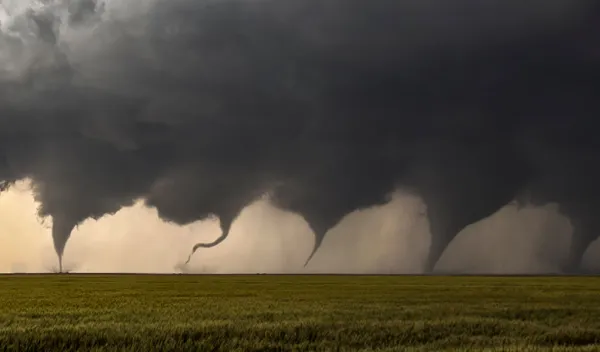
Tornado Bodensee: Powerful Storm Sparks Concern Around Lake Constance as Severe Weather Sweeps the Region
A tornado near Bodensee (Lake Constance) has captured attention as severe storms move across southern Germany, Austria, and Switzerland. Get the latest updates, weather impacts, safety advice, and what meteorologists are saying.
Tornado Bodensee: Latest Updates as Severe Storms Hit the Lake Constance Region
Residents across the Bodensee (Lake Constance) region are closely monitoring rapidly changing weather conditions after reports of a possible tornado emerged during a powerful storm system. The severe weather has brought heavy rain, damaging wind gusts, lightning, hail, and localized flooding to communities surrounding one of Central Europe’s most popular lakes.
Emergency services and weather authorities continue to assess reports of storm damage while meteorologists analyze whether the rotating storm officially qualifies as a tornado or another type of intense wind event.
The Lake Constance area, which borders Germany, Switzerland, and Austria, is no stranger to strong thunderstorms during the summer months. However, tornado reports remain relatively rare, making the event especially noteworthy.
What Happened Near Bodensee?
The severe weather developed as unstable atmospheric conditions combined with warm, humid air and an approaching cold front. Thunderstorms intensified rapidly across southern Germany before moving toward the Bodensee region.
Witnesses reported seeing:
- A rotating cloud formation
- Extremely strong wind gusts
- Heavy rainfall reducing visibility
- Large hail in isolated areas
- Flying debris and damaged trees
- Temporary power outages in some communities
Weather experts are reviewing radar data, satellite imagery, and eyewitness accounts to determine whether a confirmed tornado touched down.
Areas Around Lake Constance Potentially Affected
Storm impacts have been reported in various communities surrounding Lake Constance, including:
- Konstanz
- Friedrichshafen
- Lindau
- Überlingen
- Meersburg
- Bregenz
- Romanshorn
- Kreuzlingen
Conditions varied significantly from one location to another, with some areas experiencing only heavy rain while others reported damaging winds.
Why Tornadoes Can Form Around Bodensee
Although tornadoes are less common in Central Europe than in parts of the United States, they do occur every year.
Meteorologists explain that tornadoes may develop when:
- Warm, moist air rises rapidly.
- Strong wind shear causes thunderstorms to rotate.
- Supercell thunderstorms become organized.
- Atmospheric instability reaches high levels.
The Lake Constance region occasionally experiences these ingredients during active summer weather patterns.
Damage Assessments Continue
Local authorities continue inspecting affected neighborhoods for possible storm damage.
Initial reports include:
- Fallen trees
- Damaged roofs
- Broken windows
- Downed power lines
- Flooded roads
- Debris scattered across streets
Emergency crews have been working to clear roads and restore normal conditions where necessary.
Travel Disruptions
Severe weather around Bodensee may temporarily affect transportation.
Possible disruptions include:
- Delays on regional rail services
- Ferry interruptions due to high winds
- Road closures caused by fallen trees
- Flight delays at nearby airports
- Reduced visibility for motorists
Travelers are encouraged to check local transport providers before departing.
Weather Forecast
Forecasters warn that additional thunderstorms may remain possible if unstable atmospheric conditions persist.
Residents should monitor forecasts for:
- Heavy rainfall
- Frequent lightning
- Damaging wind gusts
- Large hail
- Localized flash flooding
Weather conditions can change rapidly during severe thunderstorms.
Tornado Safety Tips
If a tornado warning is issued:
- Move indoors immediately.
- Stay away from windows.
- Shelter in the lowest level of a sturdy building.
- Avoid driving into severe storms.
- Secure outdoor furniture and loose objects.
- Continue monitoring official weather updates.
How Common Are Tornadoes in Germany?
Germany experiences dozens of tornadoes each year, although many are relatively weak and short-lived. Most occur between late spring and early autumn when atmospheric conditions become favorable for severe thunderstorms.
The majority cause limited damage, but stronger tornadoes have occasionally resulted in significant destruction.
Authorities Continue Monitoring the Situation
Meteorological agencies continue reviewing storm data while emergency officials assess any damage caused by the severe weather. Residents are advised to remain alert for updated weather warnings as additional storms could develop throughout the day.
Anyone who safely captured photos or videos of the storm may be asked by weather experts to submit them to assist in confirming whether a tornado occurred.
Frequently Asked Questions (FAQ)
Was there a confirmed tornado at Bodensee?
Authorities and meteorologists may initially investigate reports before confirming whether a tornado touched down. Confirmation typically requires damage surveys and radar analysis.
Which areas around Lake Constance were affected?
Communities around Konstanz, Friedrichshafen, Lindau, Bregenz, and nearby towns experienced severe thunderstorms, though impacts varied by location.
What damage has been reported?
Early reports include fallen trees, roof damage, power outages, heavy rain, and localized flooding. Full assessments may take time.
Can tornadoes happen in Germany?
Yes. Germany experiences tornadoes every year, especially during the warmer months when strong thunderstorms develop.
Is more severe weather expected?
Forecasts may continue to indicate the risk of additional thunderstorms depending on evolving weather conditions. Residents should monitor official weather alerts.